
Is tooth loss genetic?
Yes, loss of teeth can be linked to genetics, as genes affect your vulnerability to problems such as advanced gum disease and cavities, or can lead to developmental issues like congenitally missing teeth or weakened enamel, increasing the risk of loss despite proper care; however, environmental factors and hygiene are still essential.
How genetics can result in missing teeth:
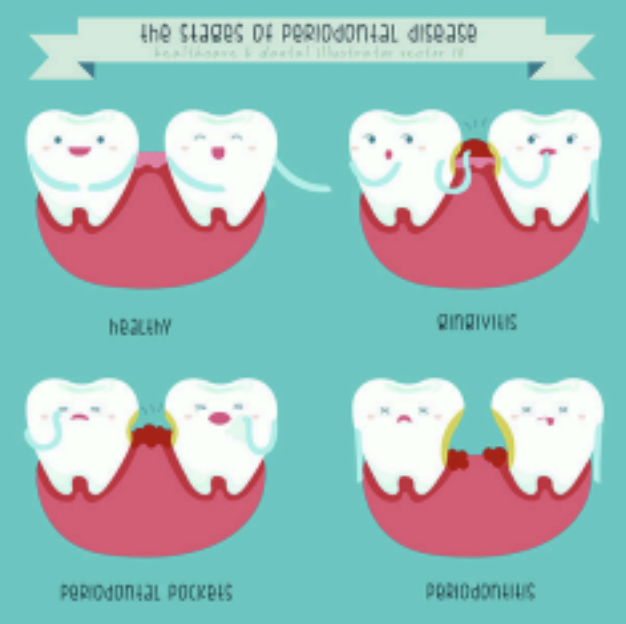
– Gum disease: You could inherit a tendency for inflammatory gum disease, which damages bone and results in tooth loss.
– Tooth composition: genetic factors influence your enamel and dentin, resulting in some individuals having inherently weaker structures that increase susceptibility to decay and fractures.
– Tooth formation: Genetic disorders may lead to a reduced number of teeth or total absence from birth, resulting in gaps.
– Bite and alignment: genetic jaw structure and tooth spacing may result in orthodontic problems, possibly increasing the difficulty of cleaning teeth and their susceptibility to harm.
When genetics isn’t the sole influence:
– Inform your dentist if there is a family history of gum disease or serious tooth issues so they can keep a close eye on you and provide early treatment.
– Take initiative: Ensure outstanding home care and professional check-ups to address genetic tendencies.