Visiting a dentist at least twice a year (every six months) to monitor your oral health and spot signs of cavity or gum, disease in early stages before serious infection, gum disease, bleeding that is harder to fix when its to late. Why waiting for your teeth to start hurting to go to the dentist is a bad idea? Waiting... read more »
A sports mouthguard protects the teeth, gums, and jaw during athletic activities by cushioning impacts and reducing injury risk. It also forms a barrier to prevent cuts to oral tissues and stabilizes the jaw when properly fitted. are especially useful for athletes with dental work or previous injuries, offering support for loose teeth and minimizing pain or complications. How a... read more »
Most people brush their teeth everyday but many skip flossing. Brushing cleans the front and back of your teeth, but it cannot reach between them. That is why flossing is just as important for keeping your mouth healthy. What brushing does: Brushing your teeth helps remove plaque and food from the surfaces of your teeth. It also helps freshen your... read more »
If you have sensitive teeth, you can try using special toothpaste, a soft toothbrush, and fluoride treatments. Eating less acidic foods, brushing gently, and using a mouthguard if you grind your teeth can help, too. Your dentist might suggest treatments like protective coatings, bonding, or gum surgery. It's important to find out what's causing the sensitivity like worn enamel, receding... read more »
Your child’s first dental visit should happen by age one, or within six months of their first tooth coming in. This first check-up is a chance for the dentist to see how your child’s teeth and mouth are growing, spot any early signs of cavities, and show you how to care for your child’s teeth. The dentist will look at... read more »
Different foods can affect your dental health in various ways some help strengthen your teeth and gums, while others contribute to tooth decay and wear away enamel. Foods that contain a lot of sugar, are acidic, or have sticky textures can damage your teeth. Candies like caramels and lollipops cling to teeth, fueling bacteria. Carbonated and sports drinks combine sugar... read more »
Metal, ceramic, and lingual braces each offer unique benefits: metal braces are durable but noticeable, ceramic braces blend with teeth though they're more fragile, and lingual braces are hidden behind teeth but cost more and can affect the way you talk at first. You can choose depending in which one you need or can afford. Metal Braces Pros: Metal braces... read more »
Protecting your teeth from decay Tooth decay, or dental caries/cavities, happens when mouth bacteria break down sugars and starches in food. This creates plaque, which dissolves the enamel, which is the hard outer surface of a tooth. As tooth decay progresses, bacteria and acid breach the enamel, leading to irreversible cavities, white or brown spots and sensitivity to hot, cold, or... read more »
HOW OFTEN SHOULD YOU REPLACE YOUR TOOTHBRUSH? Many people remember to brush their teeth every day, but they often forget to replace their toothbrush in time. Using an old toothbrush can make brushing less effective. Replacing your toothbrush regularly helps keep your teeth and gums clean and healthy. Why replacing your toothbrush matter Over time , toothbrush bristled become worn... read more »
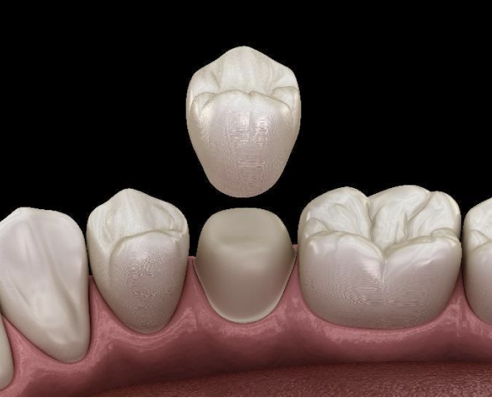
What to know about getting a one-visit crown. A one-visit crown, commonly referred to as a same-day crown, only take two hours to place, they look just as natural as traditional porcelain crowns and there is technology such as CEREC that help them fit perfectly. They cost about the same as traditional porcelain crowns. Convenience: The entire process is completed in one visit, and Patients can... read more »